Trusted By
5,000+ People

 Mar,14,2026
A hernia occurs when an internal organ or tissue pushes through a weak spot in the surrounding muscle or connective tissue. This condition often appears as a noticeable bulge in the abdomen or groin and may cause discomfort, especially while lifting heavy objects, coughing, or standing for long periods. If left untreated, a hernia can grow larger and lead to complications. Hernia surgery in Bangalore is a commonly recommended treatment option for individuals experiencing persistent symptoms or complications related to hernias.
Hernias do not usually heal on their own. In most cases, surgery is the only permanent solution to repair the weakened muscle and prevent the condition from worsening.
A hernia can develop due to a combination of muscle weakness and strain. Some people may be born with weak abdominal muscles, while others develop the condition due to lifestyle or health factors.
Common causes include:These factors increase pressure inside the abdomen, which can push tissues through weak areas in the muscle wall.
Several types of hernias can occur depending on the location of the muscle weakness. The most common ones include:
This is the most common type of hernia and occurs in the groin area when part of the intestine pushes through the abdominal wall.
An umbilical hernia appears near the belly button and is common in both infants and adults.
This occurs when part of the stomach pushes upward through the diaphragm into the chest cavity.
An incisional hernia develops at the site of a previous surgical incision where the muscle wall has weakened.
Each type of hernia may require a different surgical approach depending on its size, location, and severity.
Hernia symptoms can vary from mild discomfort to severe pain depending on the condition. Some common signs include:
In some cases, a hernia may become trapped or strangulated, which can cut off blood supply to the tissue. This is a medical emergency and requires immediate treatment.
Although small hernias may not cause severe symptoms initially, they typically do not disappear without medical treatment. Doctors usually recommend surgery to repair the defect in the muscle wall and prevent complications.
The goal of hernia surgery is to:Surgical repair often involves reinforcing the area with a medical mesh to provide additional support.
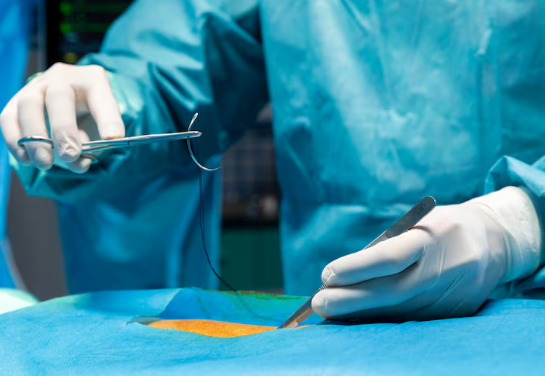
In this procedure, the surgeon makes an incision near the hernia site and pushes the protruding tissue back into place. The weakened muscle is then repaired and reinforced with stitches or surgical mesh. Open surgery is commonly used for larger or more complex hernias
Laparoscopic surgery is a minimally invasive technique that uses small incisions and a tiny camera to guide the procedure. Specialized surgical instruments are used to repair the hernia from inside the abdomen.
Benefits of laparoscopic surgery include:Recovery time varies depending on the type of surgery and the patient’s overall health. Most patients can return to light daily activities within a few days or weeks.
During recovery, doctors usually recommend:Proper recovery care helps ensure successful healing and reduces the chances of hernia recurrence.
While not all hernias can be prevented, certain lifestyle changes can help reduce the risk.
Helpful prevention tips include:Taking care of your abdominal health can help protect the muscles and prevent unnecessary strain.
Ignoring a hernia can lead to serious complications over time. As the condition progresses, the hernia may enlarge and become more difficult to treat. Early diagnosis and timely surgery help prevent complications and provide faster recovery. Modern treatment options and experienced surgeons make hernia surgery Bangalore is a reliable solution for patients seeking effective and long-lasting relief from hernia-related problems.
Hernia surgery is usually performed under anesthesia, so patients do not feel pain during the procedure. Mild discomfort after surgery is common but can be managed with medication.
Most hernia surgeries take about 30 minutes to 1 hour, depending on the type and complexity of the hernia.
Many patients can return to light activities within one to two weeks, while full recovery may take around four to six weeks.
4. Can a hernia come back after surgery?4. Can a hernia come back after surgery?
You should consult a doctor if you notice a lump in the abdomen or groin, experience persistent pain, or feel discomfort while lifting or bending.