Trusted By
5,000+ People

 Mar,14,26
Back and spine problems are becoming increasingly common due to modern lifestyles, long hours of sitting, poor posture, and lack of physical activity. Persistent back pain can affect daily activities, productivity, and overall quality of life. When medications, physiotherapy, and lifestyle changes fail to provide relief, spine surgery may be recommended as an effective treatment option.
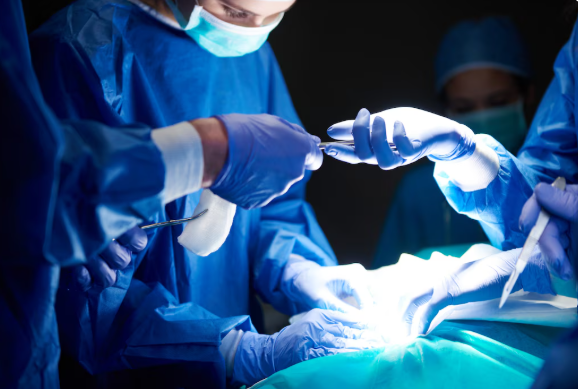
Today, spine surgery in Bangalore is widely recognized for its advanced medical technology, skilled specialists, and modern treatment techniques. Patients can access a wide range of procedures designed to treat various spinal conditions safely and effectively.
The spine is one of the most important structures in the human body. It supports the body, protects the spinal cord, and allows flexibility and movement. When any part of the spine becomes damaged or compressed, it can lead to severe discomfort and mobility issues. Common spine conditions that may require surgery include:
While many spine problems can initially be treated with medication, physiotherapy, or lifestyle changes, surgery may become necessary when conservative treatments do not provide relief.
Doctors usually recommend surgery only when non-surgical treatments fail to improve symptoms. Spine surgery may be suggested if a patient experiences:
Early consultation with a spine specialist helps in accurate diagnosis and timely treatment.
Modern hospitals in Bangalore provide a wide range of surgical procedures designed to treat different spine conditions effectively.
Minimally invasive spine surgery uses small incisions and specialized instruments to treat spinal problems. Compared to traditional open surgery, this approach offers:
This method is commonly used for disc problems, nerve compression, and spinal instability.
A discectomy is performed to remove part of a damaged or herniated disc that is pressing on a nerve. This procedure helps relieve symptoms such as severe leg pain, numbness, or weakness caused by nerve compression.
Spinal fusion surgery connects two or more vertebrae permanently to stabilize the spine. It is often recommended for conditions such as spinal instability, fractures, or degenerative disc disease.
A laminectomy involves removing part of the vertebra called the lamina. This creates more space for the spinal cord and nerves, reducing pressure and relieving symptoms caused by spinal stenosis.
In this procedure, a damaged spinal disc is replaced with an artificial implant that maintains movement and flexibility in the spine. This option is often used instead of spinal fusion in selected cases.
With continuous advancements in medical technology, spine surgery has become highly effective. Some key benefits include:
Minimally invasive techniques also reduce hospital stay and help patients recover more quickly.
Recovery time varies depending on the type of surgery and the patient’s overall health. However, most people can return to light activities within a few weeks.
Typical recovery guidelines include:A proper rehabilitation plan helps strengthen the spine and prevents future complications.
Bangalore has become one of the leading healthcare destinations in India for advanced spine treatments. Patients choose the city because of:
These factors ensure accurate diagnosis, effective treatment, and successful recovery for patients with spinal conditions.
While surgery can effectively treat serious conditions, maintaining spine health is equally important. Some simple habits can help prevent spine problems:
Small lifestyle changes can significantly reduce the risk of developing chronic spine issues.
Yes, spine surgery is generally safe when performed by experienced specialists using modern surgical techniques. Advanced technologies and minimally invasive procedures have significantly improved safety and outcomes.
Recovery time varies depending on the type of surgery. Many patients can resume light activities within 2–6 weeks, while full recovery may take a few months.
In many cases, spine surgery significantly reduces or eliminates pain caused by nerve compression or structural problems. However, outcomes depend on the specific condition and overall health of the patient.
Patients with persistent pain, nerve compression, mobility issues, or spinal instability that do not improve with non-surgical treatments may be considered candidates for surgery.