Trusted By
5,000+ People

 DEC,04,2025
If you’re facing discomfort or a bulge from a hernia, it’s good to know that Bangalore provides high-quality options for surgical repair. Whether you’re researching for yourself or helping a loved one, this guide will walk you through the key facts: types of surgery, what to expect, and how to approach hernia repair in a city like Bangalore.
A hernia occurs when part of an internal organ or tissue pushes through a weakened spot in the abdominal or groin wall. Common types include inguinal (groin), umbilical (near the navel), or ventral/incisional hernias. Over time, a hernia can grow in size or become painful when you lift, bend or strain.
Some smaller or asymptomatic hernias may be monitored but hernias don’t heal on their own. If you notice a visible bulge, persistent discomfort, or signs like burning or if the hernia grows it’s usually better to consult a surgeon. Untreated hernias may lead to complications, such as trapped tissue or obstruction, which may require emergency intervention.
In Bangalore, patients typically have access to two main surgical approaches:
Many surgical centres in Bangalore offer laparoscopic hernia repair, combining advanced equipment with experienced surgeons for safe and efficient outcomes.
Laparoscopic hernia repair has gained popularity and for good reasons. Compared to open surgery, it offers several distinct advantages:
For many patients especially those with moderate hernias, those leading busy lives, or those who prefer quicker healing laparoscopic repair balances effectiveness and convenience.
Consultation & Diagnosis: During your first consultation, a surgeon will examine the hernia, understand symptoms, and may recommend imaging (like ultrasound) if needed. Based on hernia type, your overall health, and other factors, the surgeon suggests the best approach for you.
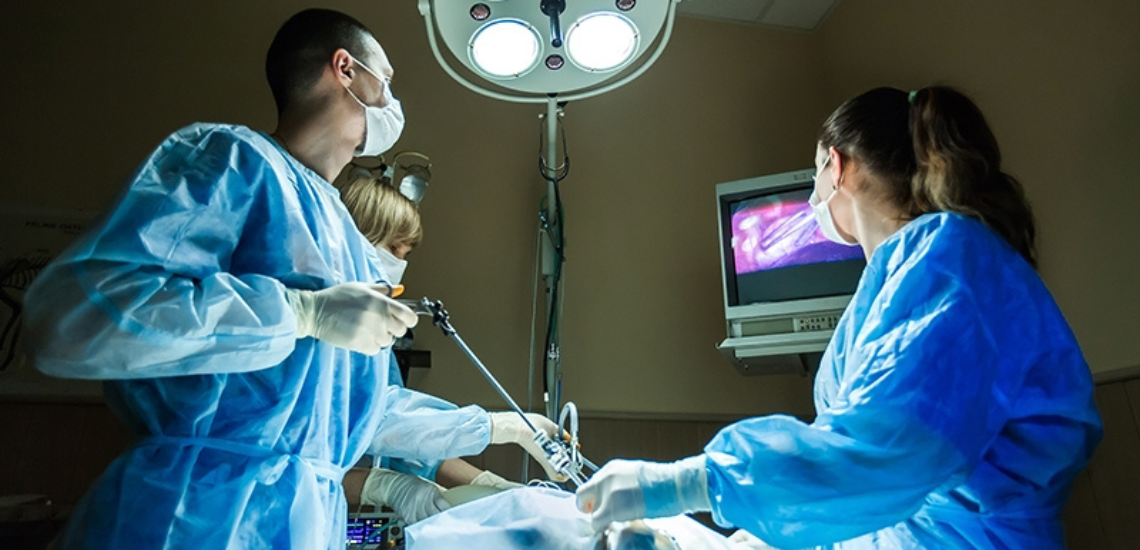
The Surgical Procedure (for laparoscopic repair): In laparoscopic surgery, a few small incisions are made. A laparoscope (camera) is inserted to help the surgeon visualize the internal anatomy on a screen. The hernia defect is repaired often with a mesh placed internally to reinforce the abdominal wall.
Post‐operative Recovery: Since laparoscopic surgery is minimally invasive, patients often recover faster: many can walk shortly after surgery, resume light daily activities within a week or two, while heavy lifting or strenuous activity is usually postponed for several weeks. Follow-up care ensures proper healing.
Long-Term Outcome: With proper repair and care, recurrence risk is low and many patients return to pain‐free, active life. Mesh-based repair adds strength to the abdominal wall, helping prevent future hernia formation.
You should consider surgery if:
Laparoscopic repair is often suitable for small-to-medium hernias, recurrent hernias, or bilateral hernias. However as with any medical decision the final choice depends on your general health, hernia type, and doctor’s evaluation.
Hernia surgery in Bangalore offers reliable, modern treatment options, especially through minimally invasive laparoscopic repair. If you're experiencing discomfort, bulge, or suspect a hernia consulting a qualified surgeon sooner rather than later can help avoid complications and give you a smooth recovery.